Why Hesitate on a Necklace Due to a Metal Allergy?
If the area where you wear a necklace becomes noticeably red, swollen, or unbearably itchy, chances are high that you are experiencing a metal allergy reaction. It is not that the metal directly attacks your skin, but rather that trace metal ions dissolve in sweat and sebum, binding with skin proteins. The body's immune system then recognizes this combination as a foreign substance and mounts an allergic response.
Happily putting on sparkling jewelry only to end up scratching around your neck in regret just a few hours later is a frustrating experience for anyone. For those with sensitive skin, even when seeing a beautiful design, the first worry is always whether it will be safe against their skin.
"Not being able to wear the jewelry you love with peace of mind leaves more disappointment than you might expect."
Jewelry that touches your bare skin is not merely an ornament; it breathes against your skin all day long. So why do certain metals trigger such severe itching and redness?
Metallic Odor and Itchiness: Which Elements Are to Blame?
In most cases, the main culprit behind metal allergy symptoms caused by jewelry is neither gold nor silver itself. The real issue comes from the base metal alloys added to enhance hardness or adjust color. In particular, elements such as nickel, cobalt, and chromium readily oxidize upon contact with the salts in sweat—even in minuscule amounts—penetrating the skin barrier and triggering a reaction.
The familiar phenomenon often described as hands smelling like metal is also a byproduct of a chemical reaction between metal and skin sebum. Plated jewelry with a thin surface coating may seem fine for the first few days, but as the plating wears away and exposes the underlying base metals, sudden itching can flare up.
Areas like the nape of the neck or collarbone, where the skin is thin and sweat glands are concentrated, are particularly vulnerable to irritation. Even a feather-light chain can lead to red spots or weeping skin over time if it contains irritating alloy elements. Ultimately, to avoid skin reactions, the priority must be finding stable precious metals free of impurities against your skin.
Why Reactions Can Still Occur with 14K or 18K Jewelry
Many people wonder, "Why does it itch when it's gold?" 14K and 18K jewelry are alloys created by mixing pure gold with copper, zinc, silver, nickel, and other metals to increase durability. 14K contains only 58.5% gold, while 18K contains 75%, with other metals filling the remaining composition.
While these alloys pose no issue for those with less reactive skin, allergy-prone, sensitive skin immediately detects the 25% or 41.5% of base metals mixed in. This is precisely why even an expensive luxury piece of 14K gold jewelry can cause an itchy neck depending on what makes up the inner alloy.
The same applies to silver jewelry. While fine silver is relatively safe, 925 sterling silver blends copper to maintain shape, and surface plating used to prevent tarnish often leads to skin trouble. To choose jewelry your skin will accept, you must look beyond a polished exterior and verify the purity of the metal itself.
Criteria for Choosing Jewelry When You Have Sensitive Skin
If you have sensitive skin, you need the discernment to examine the purity of the base metal before the extravagance of its design. Gold has exceptionally low chemical reactivity, making it a quintessentially safe precious metal that does not easily oxidize or dissolve in air or sweat. The higher the purity, the less room there is for other metallic elements to mix in, leaving your skin virtually free of irritation.
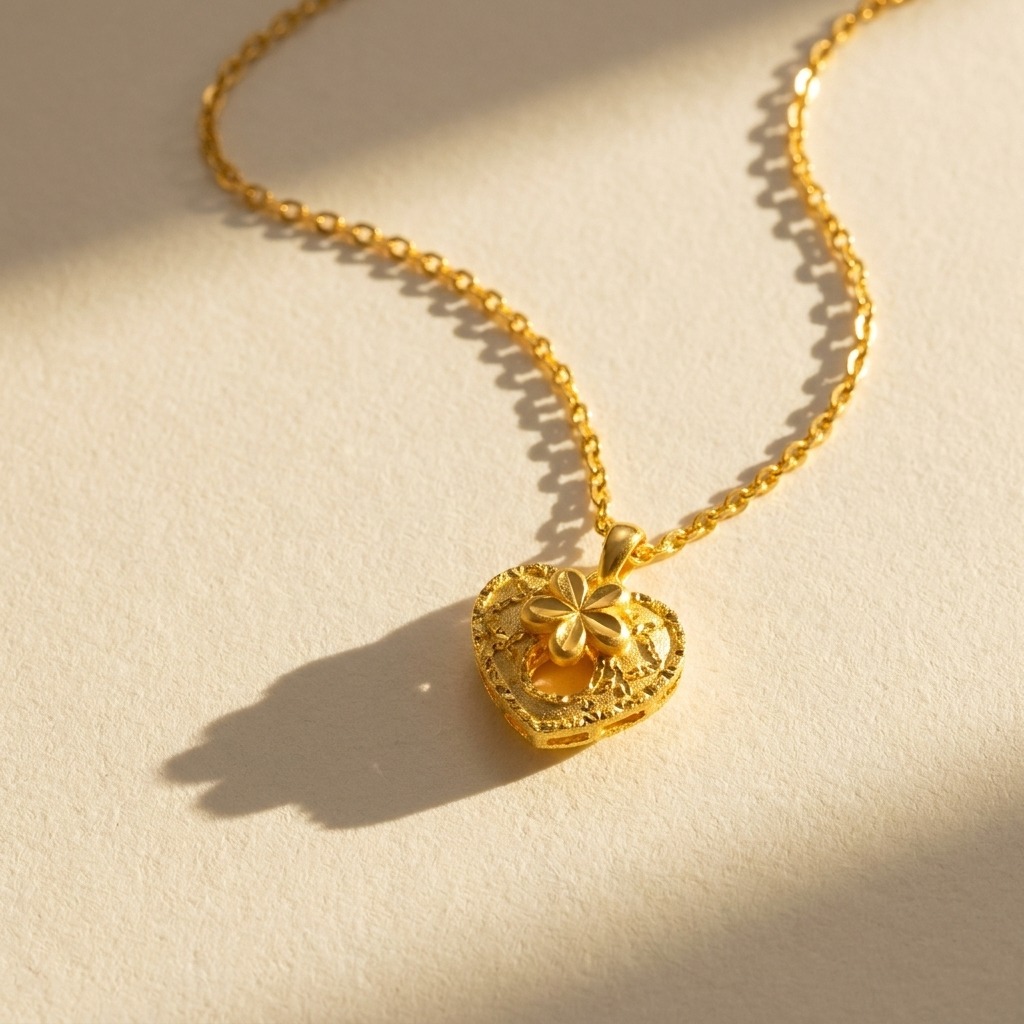
Pure gold jewelry is crafted to a standard purity of 995 (99.5%). With almost no impurities, the risk of skin trouble is extremely low even if worn daily through sweat. This stability is why those with sensitive skin ultimately turn to pure gold.
"True comfort in jewelry comes from a natural ease that lets you forget you are even wearing it around your neck."
When choosing a pure gold necklace, however, you should also look at the structure of the clasp. Because pure gold is inherently very soft and pliable, crafting the opening and closing clasp in pure gold would cause it to loosen and come undone easily. Therefore, standard practice is to make the clasp out of sturdy 18K gold. An essential criterion when selecting fine jewelry is checking whether the stated pure gold weight is delivered in full, with the weight of the 18K clasp added on top to ensure an honest total.
Comfortable for Daily Wear: The Clover Heart 24K Pure Gold Necklace 3 Don
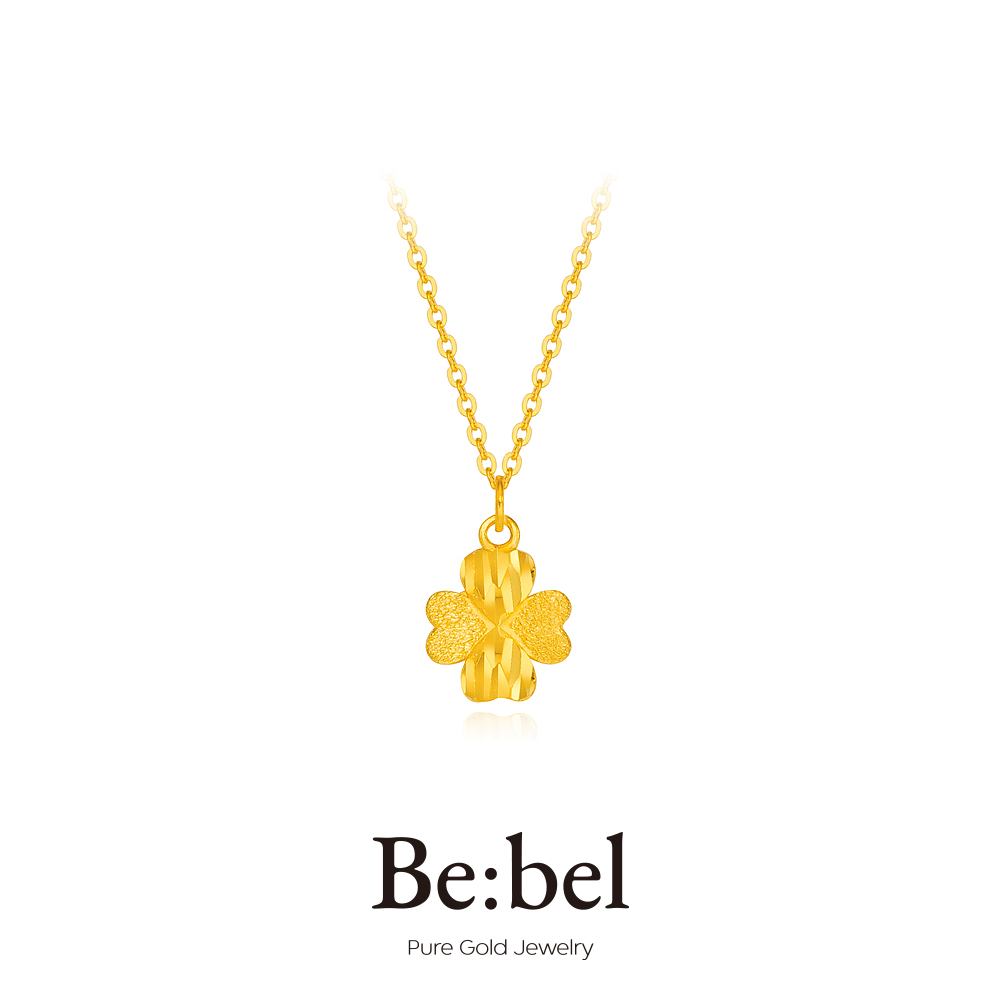
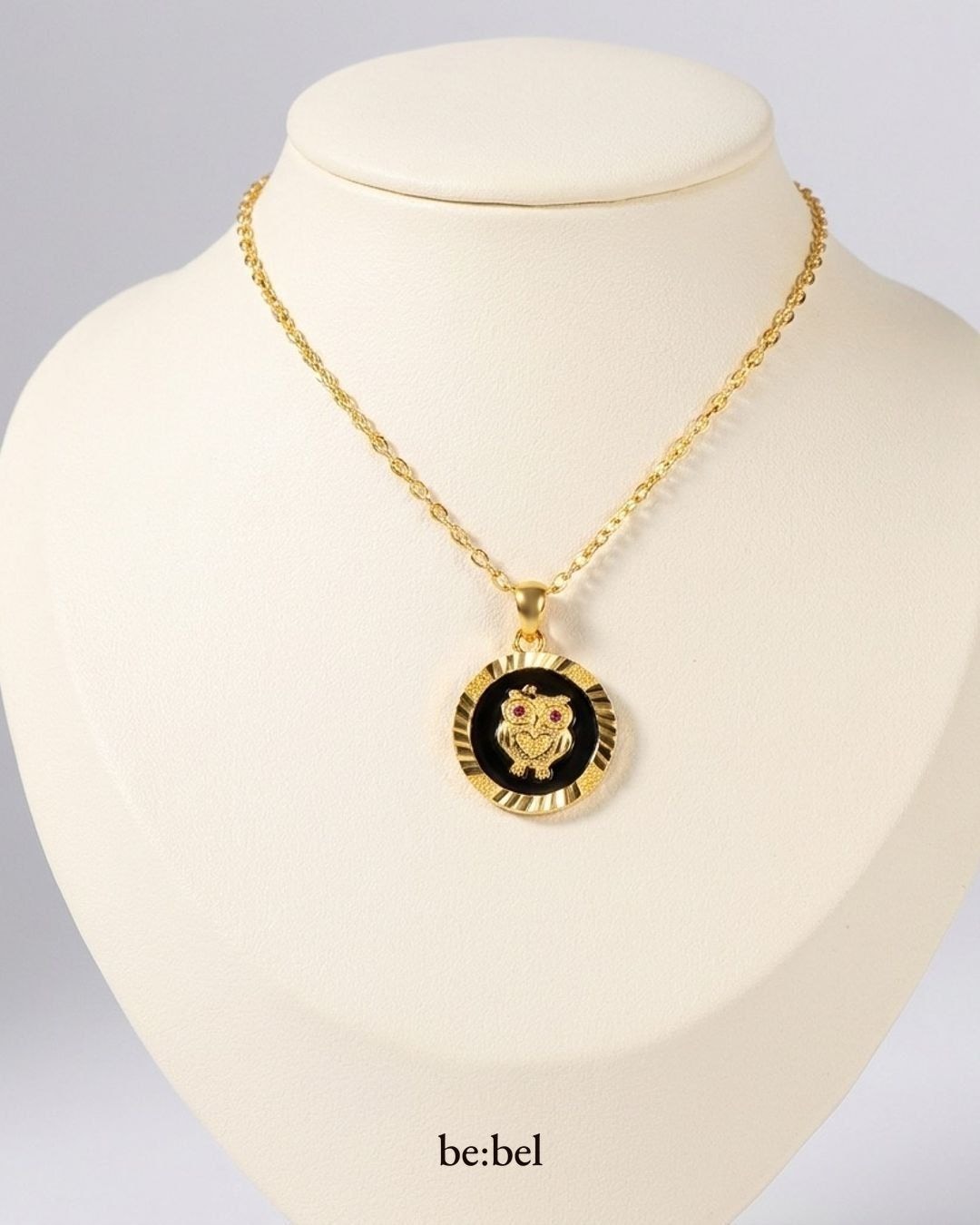
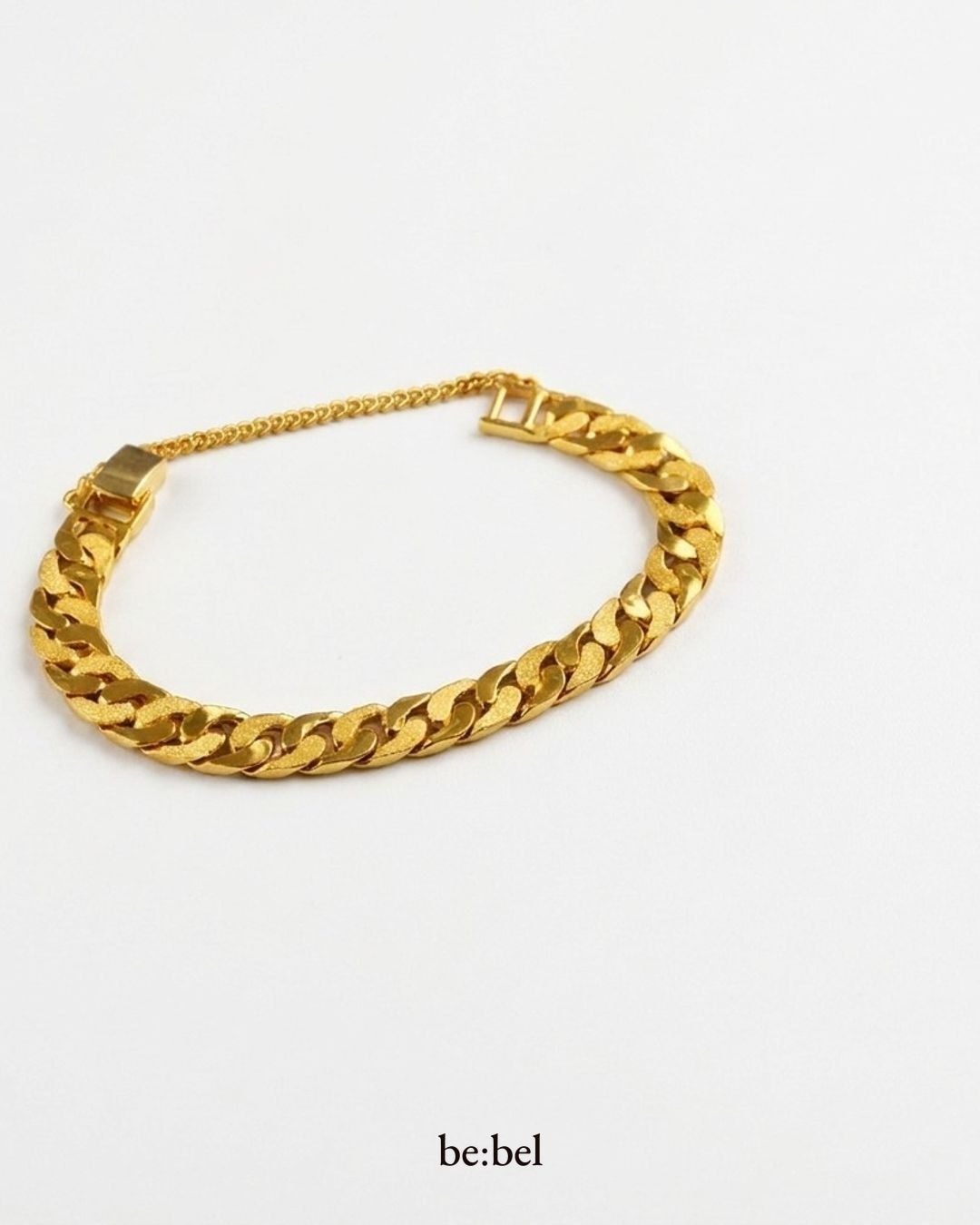
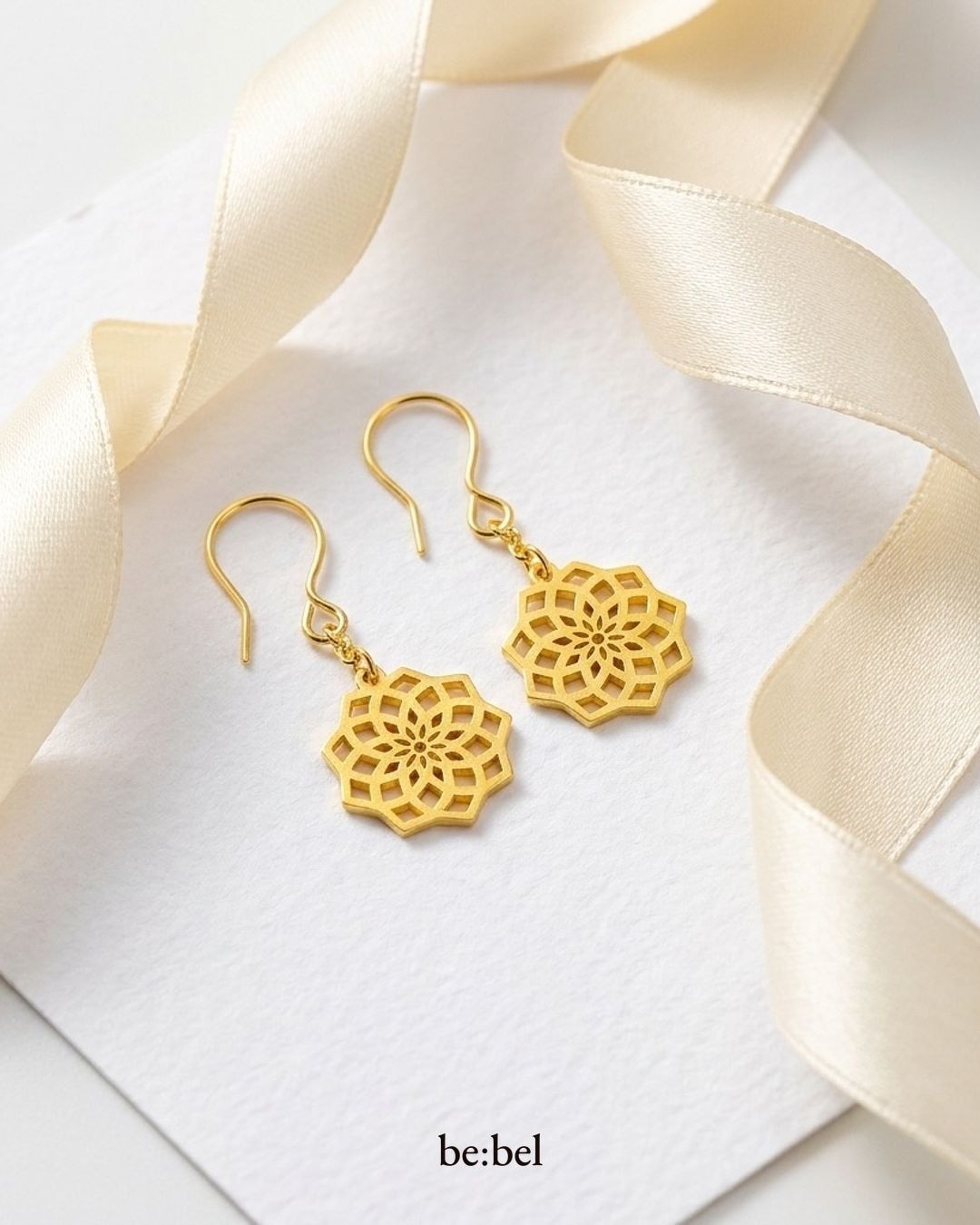
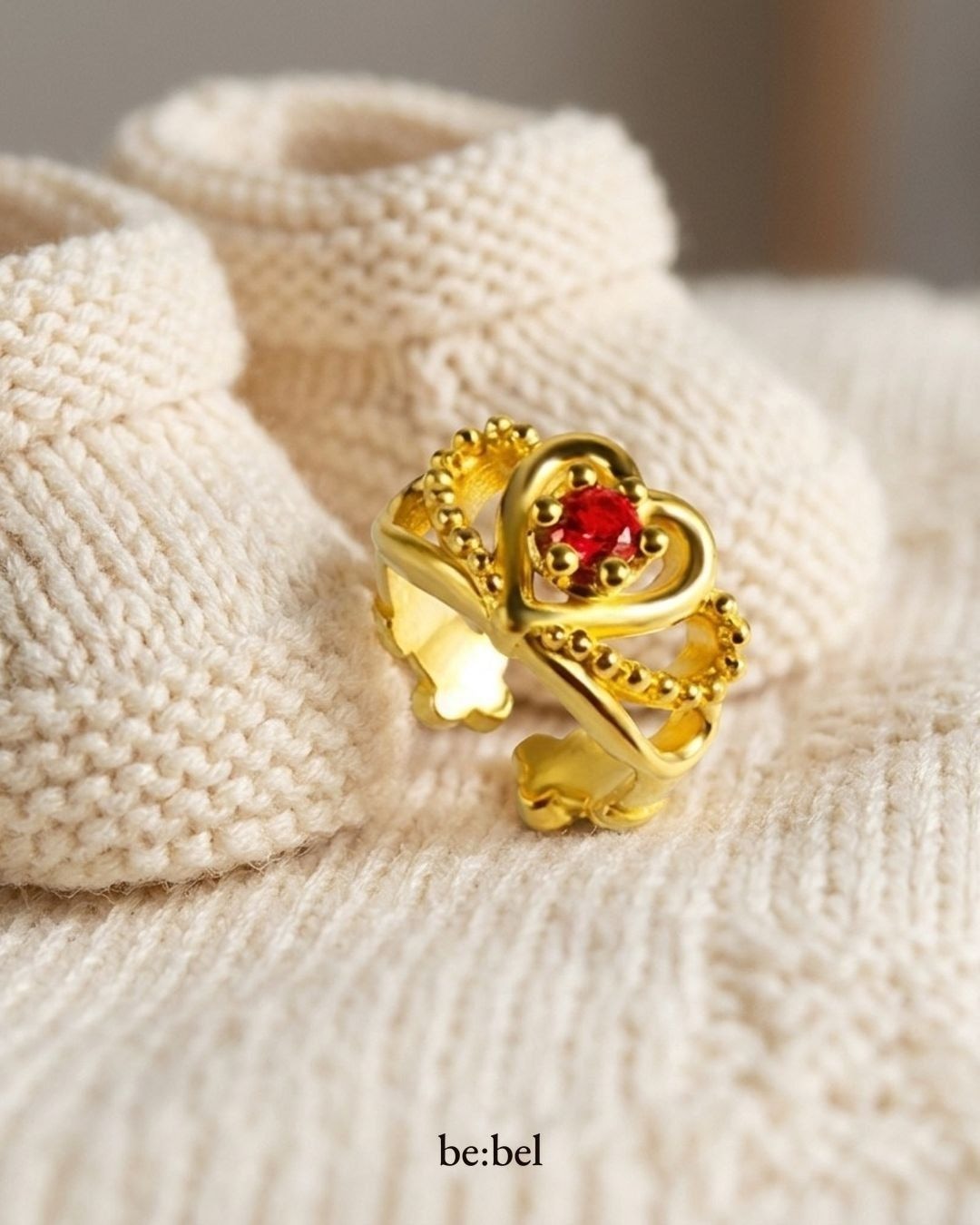
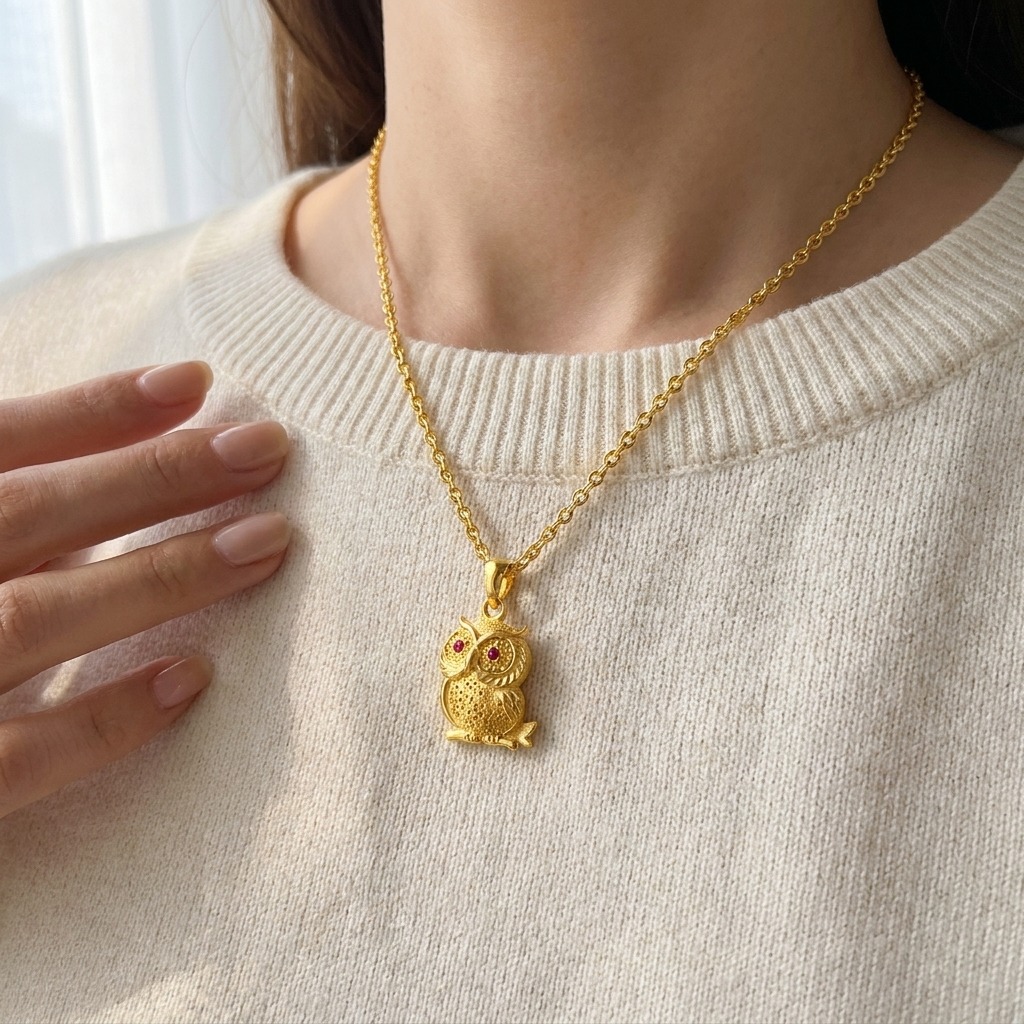
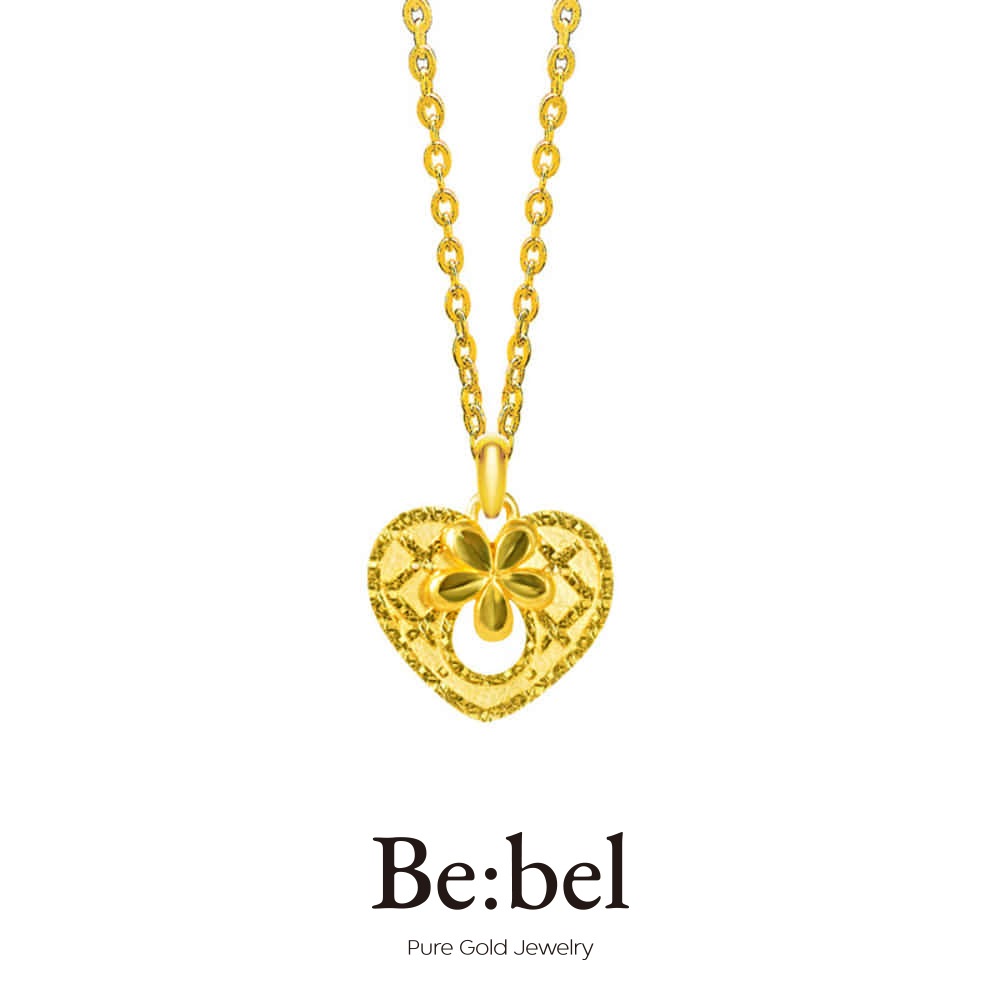
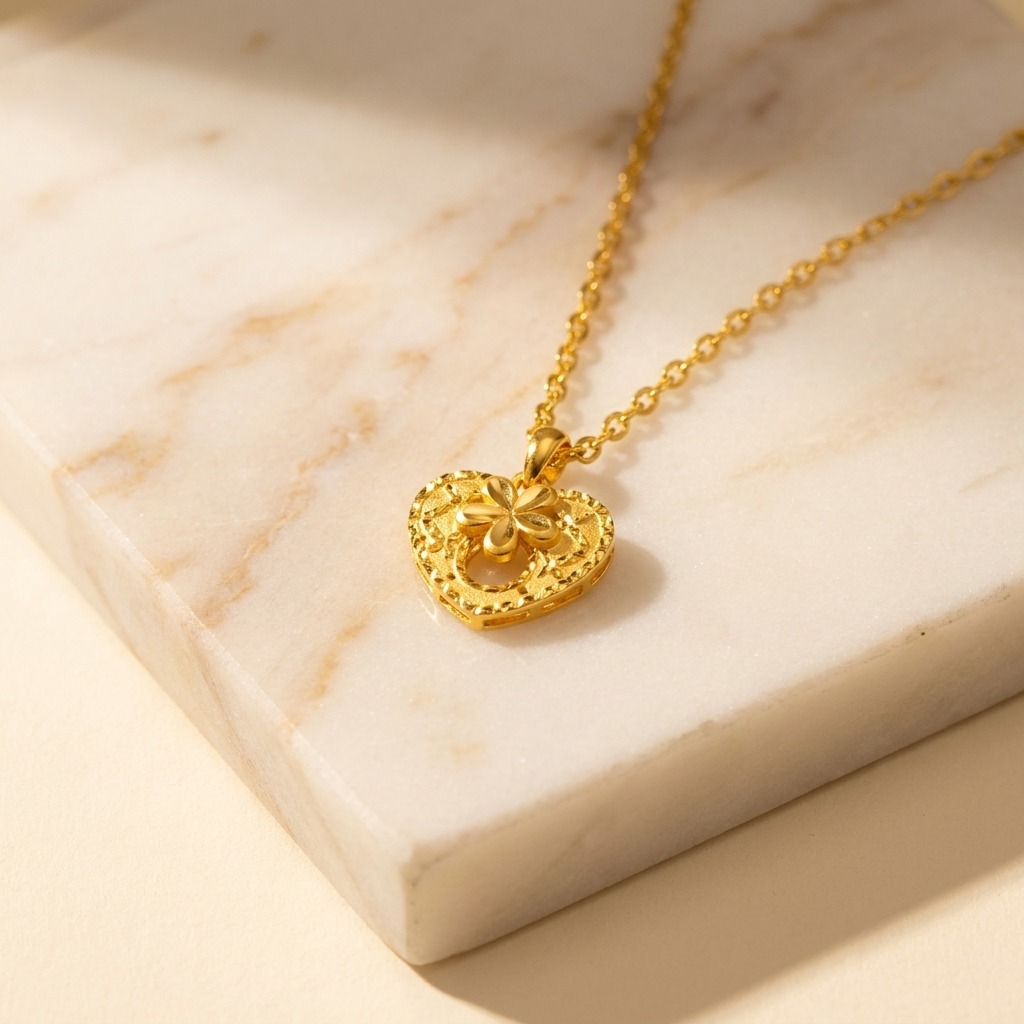
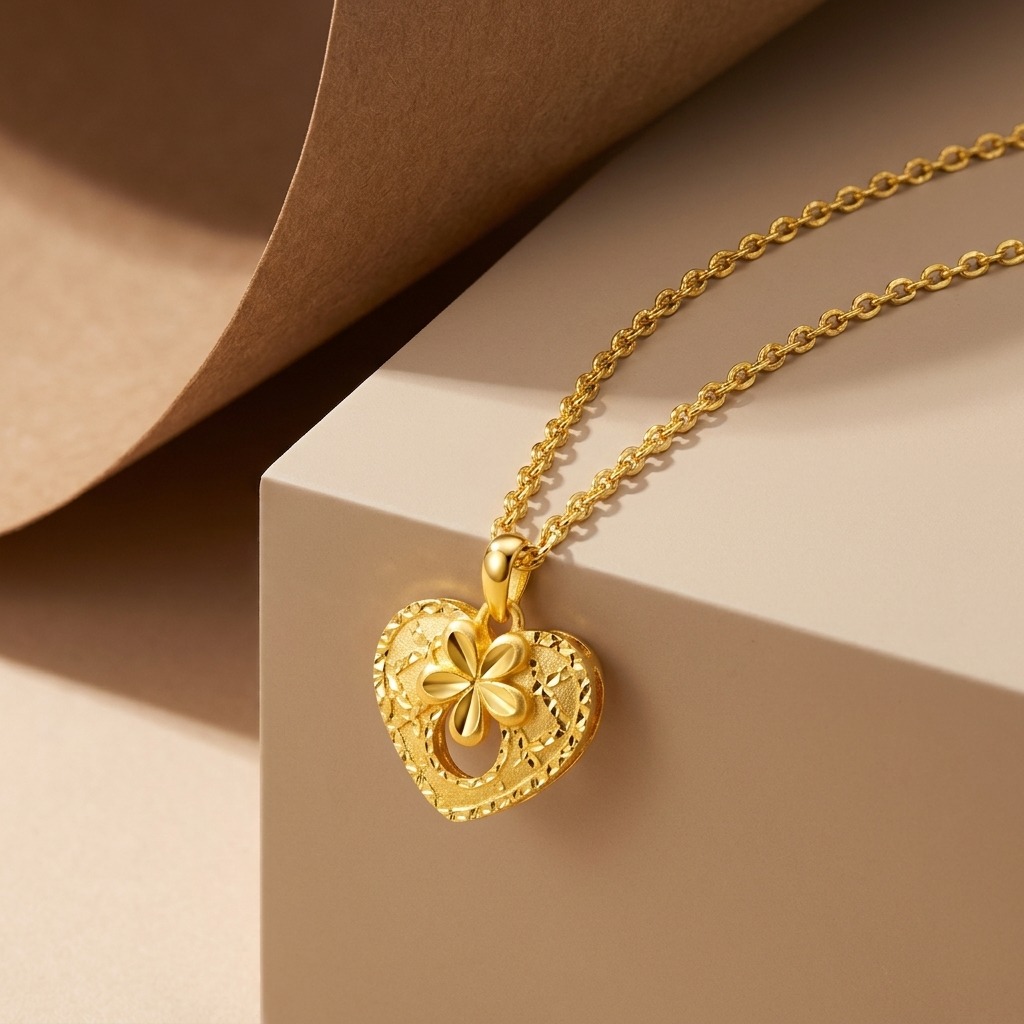
If you are looking for effortless daily elegance while minimizing skin irritation, be:bel's Clover Heart 24K pure gold necklace 3 don is an excellent choice. Crafted at 24K (995) purity, it can be worn against the skin with confidence, even by those who have stayed away from accessories out of fear of metal allergies.
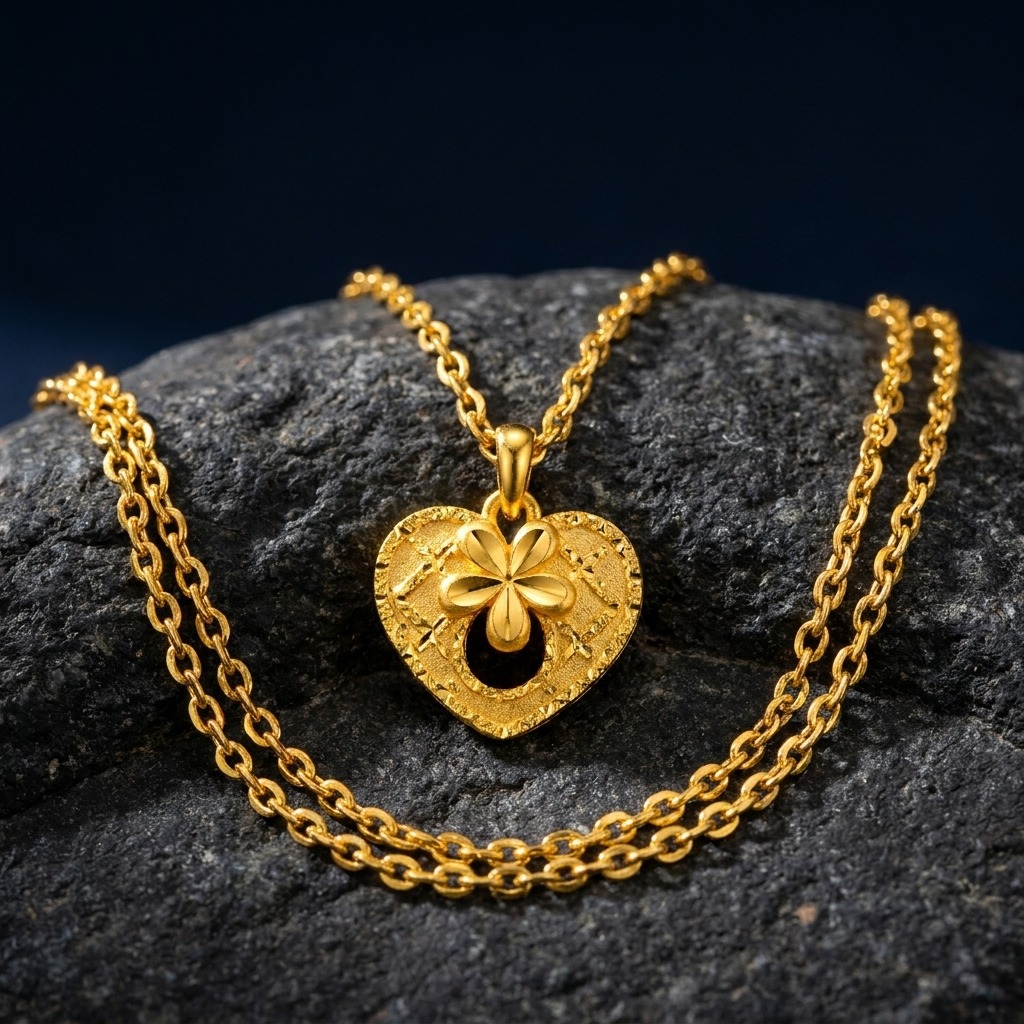
It combines the substantial presence of 11.25 g (3 don) with a charming clover motif formed by four heart-shaped petals. While traditional pure gold necklaces often felt chunky and remained locked away in dowry boxes, this piece offers the modern versatility of daily jewelry, pairing effortlessly with casual shirts or neat knitwear.
Pure gold is soft and demanding to work with. Preserving the exact 3 don weight while sculpting the dimensional contours and fine lines of the clover heart pendant requires the touch of a master artisan. be:bel adheres to advanced crafting processes that preserve design balance while maintaining consistent chain length and weight.
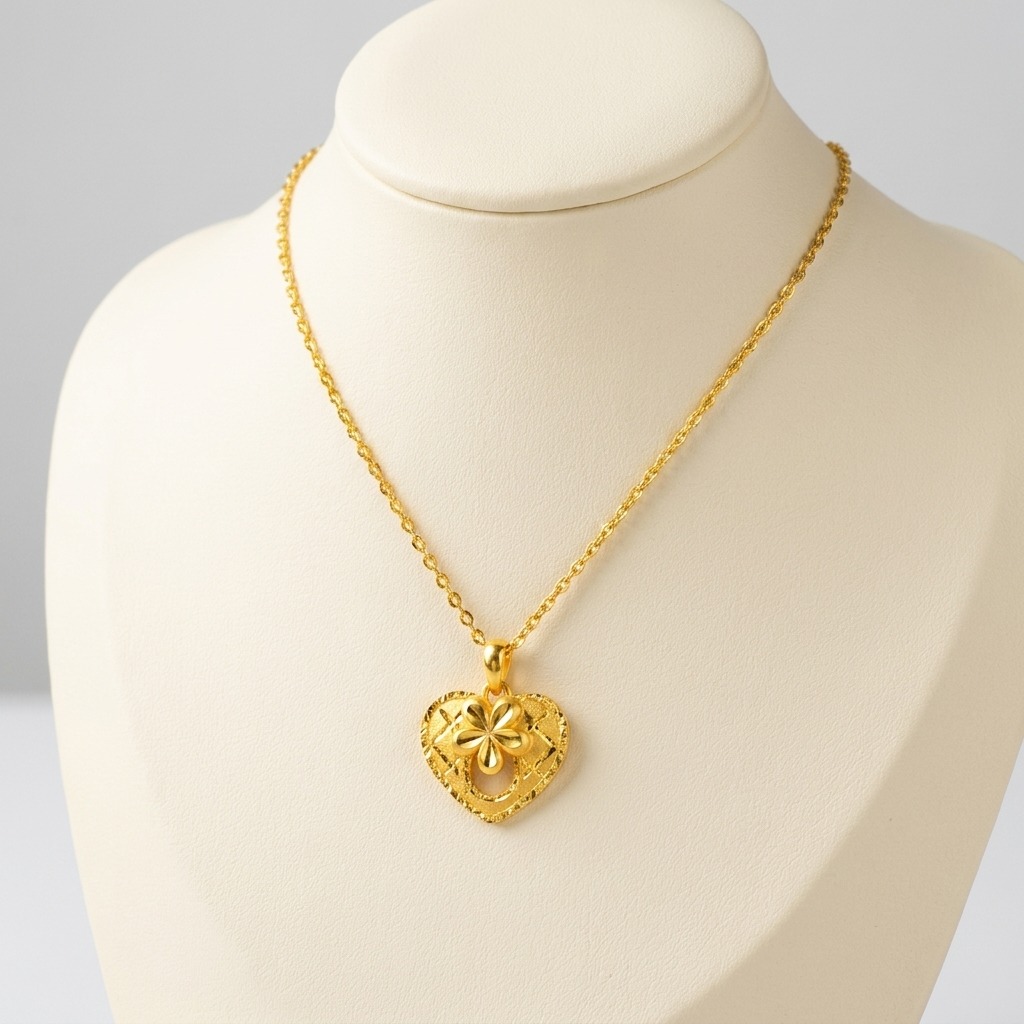
The clasp securing the necklace ends is durably finished in 18K to prevent it from loosening easily. Because 18K has a gold purity of 75%, the weight of the 18K clasp is added separately so that the ordered 3 don (11.25 g) of pure gold remains completely intact. The fact that the scale registers slightly heavier than the marked weight reflects be:bel's promise to uphold honest gold amounts.
Each piece features be:bel's proprietary hologram mark for added authenticity. It feels smooth against the skin when worn, while the distinctive, warm, and rich golden glow brightens your complexion. It is jewelry you can wear out as naturally as your daily clothes.
Value That Moves with Today's Price: Why You Should Check Now
Gold is a precious metal that retains inherent value over time, neither wearing out nor disappearing. Unlike fashion accessories left forgotten in drawers due to allergies, a pure gold necklace shines comfortably against your skin every day and remains a dependable tangible asset that never fades.
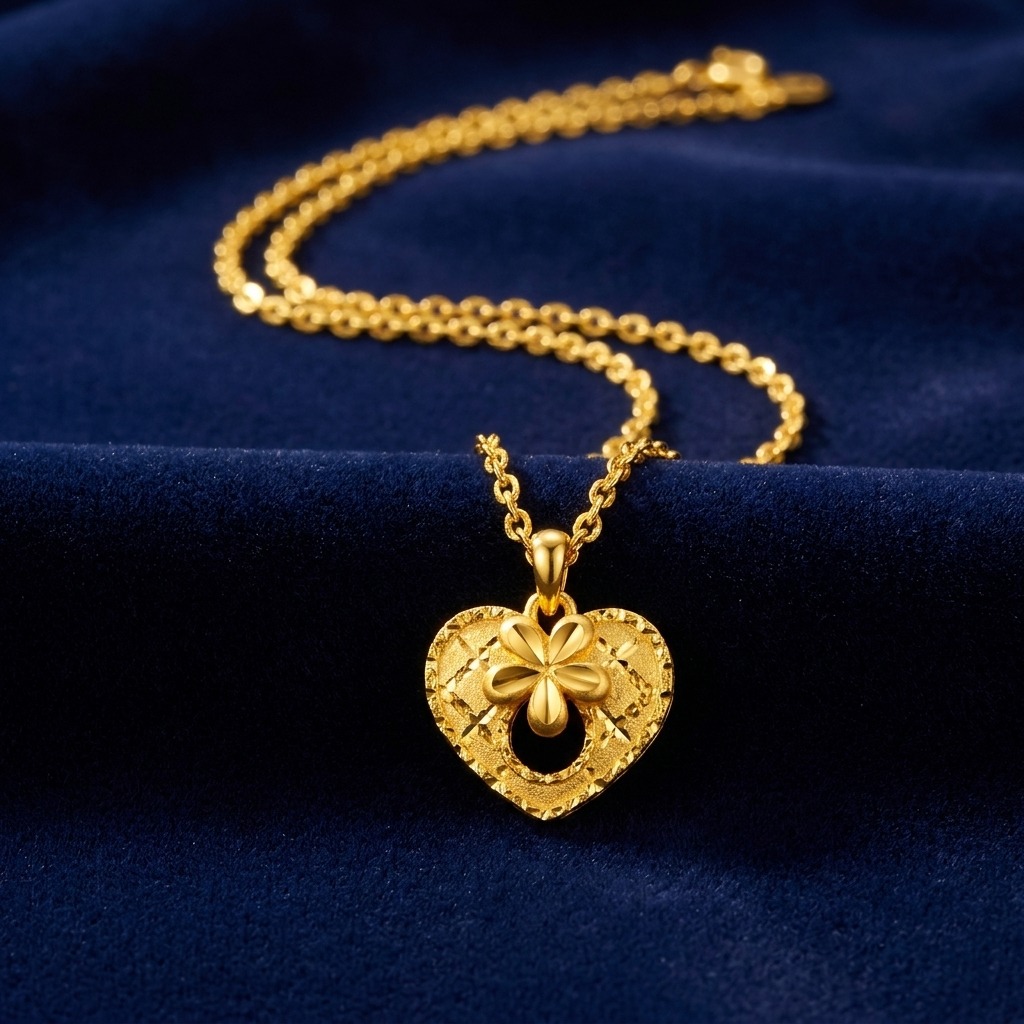
Prices for gold jewelry are never fixed. They automatically and transparently adjust based on real-time daily gold prices, with production beginning at the market gold price locked in at the exact moment your order is confirmed. Even for the identical design and weight, the valuation depends on when you choose to buy.
Whether as an everyday gift to yourself after giving up on necklaces due to itching, or as a heartfelt gesture for a loved one, the warmth of jewelry finds its truest expression in enduring gold.
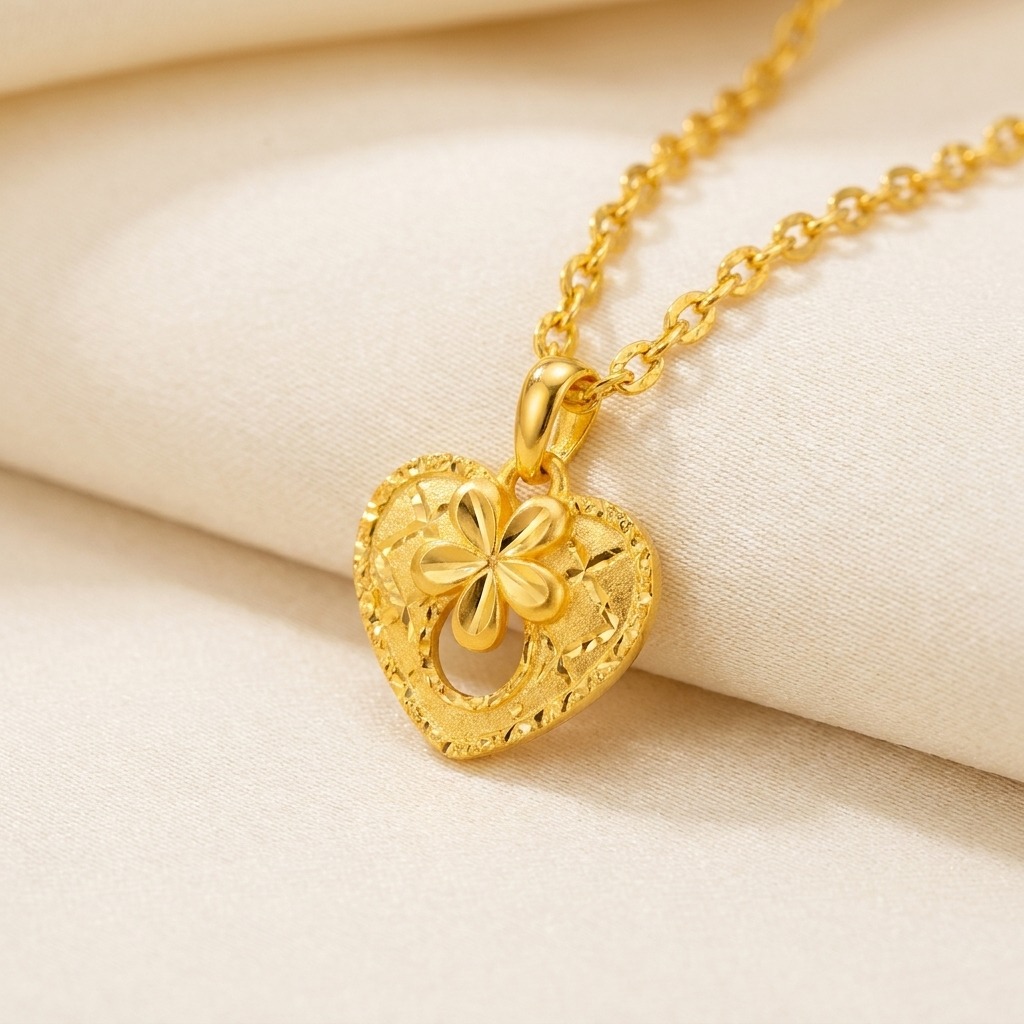
If you have been searching for jewelry that combines skin comfort with a design you want to wear every day, there is no reason to hesitate. Visit the be:bel store now to discover the Clover Heart 24K pure gold necklace 3 don at today's gold price.
👉 Shop the Clover Heart Pure Gold Necklace 3 Don
Pure Gold Mall be:bel · Editor B
Frequently Asked Questions
What causes metal allergies?
The metal itself does not directly irritate the skin; rather, microscopic metal ions dissolved by perspiration or sebum bind to skin proteins, which the immune system identifies as foreign substances, prompting an adverse reaction.
Can gold jewelry such as 14K or 18K still cause an allergic reaction?
Yes. 14K and 18K are alloys blended with other metals such as copper, zinc, silver, and nickel to increase hardness. These non-precious alloy components can trigger allergic reactions.
Why are pure gold jewelry clasps crafted in 18K gold?
Because pure gold is naturally soft and malleable, clasps made of pure gold could easily loosen and come undone. Therefore, clasps are conventionally crafted in 18K gold to ensure secure closure.